
2027 Board of Trustees Elections
Candidate profiles for the current Board of Trustees elections are available below. Eligible voting members will receive notices regarding voting in the election via the voting system: OpaVote. The election will occur from October 21–November 20 at 11:59 p.m. Eastern. Results will be announced in late November.
Ranked Choice Voting will be used for the election, which means voters can cast a ballot for all of the candidates, ranking their top candidate first, followed by other candidates according to their preference for selection. A more detailed description of ranked choice voting can be found here, and a YouTube explanation is here.
Candidates in elections have been asked not to campaign on their behalf, and the same is asked of all ACUI members. All of the information below was submitted by the candidates; the content has not been edited by ACUI. You are encouraged to contact candidates with any questions regarding their candidacy. Note that candidate statements and information below is shown as submitted and was not edited by ACUI.
Presidential-Elect Candidates
There are three candidates for one president-elect position, which carries a three-year commitment. Select a name to read the full candidate profile.
Candidate Information
Heidi Lang, Principal Student Engagement Officer, University of Wisconsin–Madison (heidi.lang@wisc.edu)
Strategic Issues
I believe ACUI faces two interconnected challenges: demonstrating the value of the Association to our members and institutions while also demonstrating the value of the college union profession within higher education. For ACUI, this means continuing to rethink how we recruit, engage, and retain members throughout their careers. For many of us, the traditional pathway into the Association began with a regional conference, grew through Annual Conference participation and volunteer opportunities, and eventually developed into a professional network and lifelong connection to ACUI. Financial pressures, travel restrictions, changing professional development expectations, and decreased awareness of the Association have disrupted that pathway. We need accessible entry points for emerging professionals while also creating meaningful opportunities for experienced members who believe deeply in ACUI but may have different professional development needs. Strengthening these pathways is important to both member engagement and the Association’s long-term financial health. At the same time, institutions are making difficult decisions about resources, organizational structures, and priorities. ACUI has an important role in helping us articulate and demonstrate the distinctive value of college unions. We are not simply operators of facilities or providers of programs. At our best, college unions advance the academic missions of our institutions and serve as campus community builders. We create opportunities for students to develop relationships, experience belonging, exercise agency, encounter different perspectives, and learn through involvement. ACUI can lead by advocating for the profession, advancing research, identifying and sharing emerging practices, and developing practical tools that help members demonstrate impact on their campuses. We should be able to answer not only what college unions do, but why the work matters. I believe ACUI can emerge from this challenging period as an increasingly relevant and forward-thinking voice in higher education by strengthening the value of Association membership while also helping our institutions understand and invest in the value of the college union.
Skills and Perspectives Contributed
I bring a combination of strategic and executive leadership, a strong commitment to student learning and student-staff partnership, and the ability to move ideas from conversation to action. Throughout my career, I have worked at the intersection of student engagement, organizational leadership, and campus community building. I enjoy identifying emerging needs and then building the programs, partnerships, and structures needed to respond. Examples include creating the Willis L. Jones Leadership Center and Social Justice Hub, developing the Find Your People initiative, establishing a Community Engagement unit within Social Education, and helping reposition Student Organizations, Leadership and Involvement (SOLI) to better serve students and student organizations. These efforts have required moving from an initial idea through collaboration, organizational change, implementation, and assessment. As a member of the Wisconsin Union executive team, I bring that same approach to organizational strategy and decision-making while leading a broad portfolio of social, educational, cultural, and recreational programs and services. This experience has taught me to think systemically, balance competing priorities, steward resources responsibly, and remain focused on mission while navigating complex organizational challenges. I am curious, collaborative, and willing to ask difficult questions. I enjoy bringing people together around complicated issues, identifying connections between ideas, and finding practical ways to move work forward. I value research and assessment, but also believe strongly in listening to the experiences and stories behind the data. I also bring a perspective grounded in more than 30 years of working directly with students as leaders, employees, volunteers, and decision-makers. I believe some of the most powerful learning in a college union happens when students are trusted with meaningful responsibility and supported as they learn to exercise that responsibility. Finally, my long involvement with ACUI gives me both historical perspective and optimism about its future. I understand the importance of honoring what has made the Association valuable while also being willing to question, adapt, and explore what ACUI needs to become next.
Educational Background
I earned a Doctorate in Education in Student Affairs Administration from the University of Wisconsin–La Crosse in 2020. My dissertation, The Impact of College Union Involvement on Student Perceptions of Sense of Belonging and Campus Climate, examined questions that continue to inform my professional interests in student involvement, belonging, and the role of college unions in building campus community. My dissertation received UW–La Crosse’s Rosandich Thesis and Dissertation Award, which recognizes the originality, impact, and quality of a dissertation. I also hold a Master of Education in Higher Education Administration from North Carolina State University and a Bachelor of Science in Psychology and Interpersonal Communications from Western Michigan University.
Experience
I have more than 30 years of experience in higher education and student affairs, including more than 20 years with the Wisconsin Union at the University of Wisconsin–Madison. I currently serve as Principal Student Engagement Officer/Associate Director for Social Education and as a member of the Wisconsin Union executive team. I lead a broad portfolio of student engagement and social education programs and services supported by a $10 million personnel and operating budget and work with professional staff, student employees, and hundreds of student leaders and volunteers. ACUI has been an important part of my professional development and service throughout my career. My volunteer experience includes:
- ACUI Board of Trustees, 2018–2020
- Education and Research Fund, 2021–2026
- Regional Conference Planning Chair, 2011–2012
- Philadelphia Annual Conference Planning Team, 2015–2017
- New Orleans Annual Conference Planning Team, 2006–2008
- Recipient, ACUI Research and Education Grant, 2020
Most recently, I have helped lead the Centennial Blueprint for the College Union, a partnership between ACUI and the Wisconsin Union exploring the enduring and emerging roles of college unions and developing resources to help institutions examine, strengthen, and demonstrate their impact. Beyond ACUI, my professional service has included chairing the UW–Madison Student Affairs Diversity, Inclusion, and Social Justice Committee; serving on the UW–Madison Committee on Women in the University; and leadership in the Madison-area Student Personnel Association, including service as president. My community involvement has included the Literacy Network, Host a Family, Habitat for Humanity of Dane County, and the American Cancer Society. Together, these experiences reflect a sustained commitment to service within ACUI, higher education, and my community.
Candidate Information
Anthony Otero, Director, Meetings & Events Office, Rutgers University–New Brunswick (a.otero@rutgers.edu)
Strategic Issues
I believe the most important strategic issue facing ACUI is relevance. Colleges and universities are facing difficult decisions about budgets, staffing, programming, professional development, and the use of campus resources. At the same time, higher education continues to face broader questions about its value and impact. In that environment, ACUI must continually demonstrate why membership, engagement, and professional development remain valuable investments for both institutions and individuals. Part of that response should involve broadening how we think about membership. We cannot continue to draw from the same pools of professionals in the same ways and expect different results. ACUI should explore stronger connections with HBCUs and Hispanic-Serving Institutions, while also considering professionals whose work intersects with the college union but who may not traditionally see ACUI as their professional home. Basic needs centers and cultural centers are two examples. Creating space for these professionals would not simply expand membership; it would introduce perspectives and experiences that can strengthen our programs and help the Association respond to a changing higher education environment. Recruitment, however, is only part of the challenge. We must also consider what makes members remain engaged. Volunteerism has historically been an important part of ACUI, but we may need to reconsider how we define and communicate engagement. Professionals should be able to understand how volunteering can provide meaningful opportunities to develop skills, build relationships, gain leadership experience, and contribute to their professional community. We need to make those pathways more visible and intentional. Finally, ACUI should continue developing pipelines that move people from participation to engagement, from engagement to volunteerism, and ultimately into leadership. Rather than viewing programs as individual experiences, we should consider how they can become entry points into a longer relationship with the Association. By expanding who we serve, demonstrating the value of engagement, and creating intentional pathways for continued involvement, ACUI can strengthen its relevance, its membership, and its ability to serve the changing needs of higher education.
Skills and Perspectives Contributed
One of the most valuable perspectives I bring to ACUI is an understanding of how membership, engagement, and leadership connect to one another. Over nearly 25 years, I have experienced each step of that journey myself. I joined ACUI as a newer professional, became involved through volunteer opportunities, accepted increasing levels of responsibility, and eventually had the opportunity to serve in leadership and governance roles. Those experiences have reinforced my belief that ACUI is strongest when it creates meaningful opportunities for people to connect, contribute, grow, and lead. Time has given me another important perspective. I have watched ACUI evolve alongside higher education while recognizing how my own understanding of leadership, engagement, and service has evolved as well. I have served in volunteer positions ranging from coordinator and executive roles to Regional Director and, currently, member of the Board of Trustees. Each role has given me a different understanding of what members need from the Association and what volunteers need in order to remain engaged. They have also taught me how to read a room—when to listen, when to advocate, when to challenge an idea, and when to create space for someone else to lead. Professionally, I bring a strategic and relationship-centered approach to leadership. I believe in building bridges, understanding process, and recognizing that meaningful change rarely happens through one person or one idea. It requires relationships, collaboration, and a willingness to bring different perspectives into the conversation. I also understand the importance of developing others and creating opportunities for professionals to gain the experiences, relationships, and confidence that allow them to advance within both the profession and the Association. What keeps me engaged after nearly 25 years is not simply ACUI’s programs or professional development opportunities. It is the people, the relationships, and the sense of belonging the Association creates. ACUI has helped shape me as a professional and as a leader. I would welcome the opportunity to help create those same pathways for the next generation of members.
Educational Background
I earned my bachelor’s degree from Syracuse University, where I later completed graduate coursework before having to pause my studies. During the COVID-19 pandemic, I returned to graduate-level coursework and began continuing my education while balancing my professional and personal responsibilities. More recently, I was accepted into the Ed.M. program in Education, Culture, and Society at Rutgers University, where I am currently pursuing my graduate degree. My educational journey has not been linear, but it has reinforced an important lesson for me: there is rarely a perfect time to continue one’s education. Returning to graduate study while balancing professional leadership, fatherhood, and service has strengthened my commitment to lifelong learning and deepened my appreciation for the many different paths students and professionals take toward completing their educational goals.
Experience
My professional career in higher education began at Syracuse University in 2001, where I started as a Facility Supervisor before moving into progressively more responsible roles, including Assistant Director of the Box Office and Information Desk and later Assistant Director for the Event Scheduling Office. After 11 years at Syracuse, I joined Barnard College, first as Assistant Director for Events Management and later as Associate Director for Events Management. In 2019, I joined Rutgers University as Assistant Director for the Meetings and Events Office and currently serve as Director of the Meetings and Events Office. My involvement with ACUI has developed alongside that professional journey and has remained a consistent part of my career across three institutions. At Syracuse, I served on the host team for the 2002 regional conference for old Region 2 and later became involved with the regional leadership team, which included work related to social media. While at Barnard, I was part of the host team for the 2013 College Unions Poetry Slam Invitational. I later served as co-leader of the Community of Practice for Multi-Ethnic Professionals and Allies (COMP), helping lead programming, pre-conferences, and initiatives such as the COMP Social. My service to this Association continued through Region VII, where I served as Inclusivity Coordinator before serving four years as Regional Director. During that time, I co-created Grad and Grow, an initiative designed to engage graduate students, support their professional development, and create pathways into continued ACUI involvement and leadership. I have also contributed through additional association-level service, including participation in the Naming ACUI Awards and Honors Working Group, serving as a mentor for Closing the Gap, and volunteering in a variety of conference and Association initiatives. I currently serve on the ACUI Board of Trustees and am in the second and final year of my term. Across more than two decades, my professional work and service to this Association have developed alongside one another, giving me experience at the institutional, regional, and association levels. That progression has allowed me to understand ACUI from multiple perspectives: as a member, volunteer, program contributor, regional leader, mentor, and trustee.
Candidate Information
Robert F. Stagni, University of Houston, Executive Director of the Student Centers (rfstagni@central.uh.edu)
Strategic Issues
As Chair of ACUI’s Strategic Committee, this question is always at the front of my mind when working on behalf of the Association. Ultimately, I believe our most important strategic issues can be summarized in three areas: demonstrating the value and impact of our profession, investing in our people and community, and ensuring ACUI remains responsive to a changing profession and higher education landscape. We know that ACUI is a valuable resource for our field, offering best practices, community, learning, exposure to new technologies, and countless other benefits. We must continue to help our members demonstrate the value of student centers and community-building opportunities to their campuses, especially as the pace of change in higher education continues to accelerate. Our programs and facilities have important impacts on institutional priorities like retention, belonging, and success; we must help members demonstrate those impacts through measurable outcomes. ACUI can equip members with the tools and language to make their case to university leadership, helping ensure our teams and spaces can continue to do the good work of our field. Second, ACUI has always invested in our people, but the current environment calls for us to do so in specific ways. Our regions have long been gateways for participation, volunteering, and connection to the field; continuing to strengthen regional engagement, learning, and networking can broaden that pipeline. We should create meaningful pathways into the Association for members at different career stages, institutional types, and levels of available time and resources. Continuing to keep educational content relevant, accessible, and timely will also help members stay ahead of emerging campus issues. Also, ensuring our communities within ACUI, formal and informal, remain visible and engaged will strengthen both the value of our content and its applicability across our membership. Finally, ACUI must remain responsive to a profession in which rapid change is increasingly the norm. For ACUI to retain its value, we must become, and help our members be, equally adaptable. Our work this year to align elements of the Strategic Plan around more unified, collaborative efforts reflects that need. Our strategic planning has reinforced that responsiveness requires more than recognizing emerging challenges; it requires aligning our people, resources, and priorities around the issues where ACUI can have the greatest impact. We must continue providing relevant education while ensuring our structure, finances, and resources remain nimble and member-focused. Through strategic partnerships, thoughtful resource management, and long-term financial planning, we can help both ACUI and its members plan ahead and thrive in an evolving higher education landscape.
Skills and Perspectives Contributed
Three perspectives would shape my contributions as an ACUI volunteer and President: a commitment to empowering others, a deep understanding of the Association, and a collaborative approach to leadership and decision-making. My recent roles as Executive Director and a member of the Board of Trustees have reinforced an important lesson for me: trust the skills and abilities of those around me. Effective governance requires us to establish direction, ask the right questions, align resources, and empower staff and volunteers to execute. The important details of learning outcomes, program components, and other operational decisions are best left to those closest to the work. Placing trust in our fellow staff and volunteers, asking critical questions to guide our efforts in strategic directions, and giving people space to find success has been an important lesson for me, coming from a profession of “doers.” Another valuable perspective I would bring to this role is the depth of my ACUI experience. ACUI has always been my professional anchor and “home outside of home” in the field. Having experienced ACUI as a graduate student, practitioner, regional leader, and Trustee, I bring an understanding of the Association from multiple perspectives. I have seen where ACUI has been, what has changed, what might be coming, and how we might rise to meet those challenges. That context, combined with a willingness to adapt, will be critical in the role of ACUI President: using our history to inform decisions while anticipating what comes next. Finally, I bring a collaborative approach to decision-making and setting direction. In all aspects of my life – professional, social, and volunteer – I believe leaders should seek input from people with different perspectives and ensure that people feel empowered to contribute. No good idea should go unexplored or unconsidered. At the same time, collaboration does not eliminate accountability: ultimately, leaders must own the direction and the decisions that follow. Staying connected to an organization’s needs, ideas, and perspectives is as valuable to an ACUI President as any report or meeting that could ever be held.
Educational Background
Had I stuck to my original plans in my undergraduate career, I’d likely be running some manner of data center now as an electrical engineer. Luckily, it only took one semester to realize that I wasn’t enjoying the work, so I switched to something more fun and exciting – accounting. While making time for my coursework, I spent much of my time in the Texas A&M Memorial Student Center, engaging in various leadership and volunteer roles. It was there that I met mentors and friends who, to this day, I am privileged to call role models and peers. My business degree in 2005 led to wide-open possibilities of employment, but I wasn’t satisfied with any of them. My desire to help and lead change pushed me toward Teach For America, leading me to teach high school math in rural North Carolina for two years. While earning my teaching certification, I was reminded repeatedly of the possibilities that awaited young people, and my desire to remain connected to education was renewed. I formally entered the profession as a graduate student in the Higher Education program at Indiana University in 2007. I pushed hard to be the IMU Graduate Assistant, but had to “settle” for a well-rounded, meal-plan-included housing graduate assistantship. That experience taught me rigorous policy, follow-through, team accountability, and other lessons that have stayed with me. It was in graduate school that I first experienced ACUI through a practicum experience that led to countless other volunteer roles and relationships. I completed a summer ACUI internship at the Student Union Building at Boise State University, and in my second year at IU returned to a second ACUI practicum experience. I knew I was hooked, and I was quite content to have found “my people” well before graduation in 2009. In the years that followed, I served as a Housing Coordinator at Mizzou, an Area Coordinator at Tulane University, the Student Center Assistant Director at Tulane, and eventually found my way to the University of Arkansas, where I served more than a decade as the Union Director. While at Arkansas, I entered the doctoral program in Higher Education, returning to my studies after a decade of professional work. In 2019, I received my Doctor of Education degree in Higher Education after successfully defending my dissertation, which focused on the experiences of faculty members in college union facilities. My three degrees interweave in my daily work. My accounting degree gives me a foundation for administrative effectiveness, financial stewardship, and budgetary decision-making. My higher education master’s degree brings foundational knowledge when working directly with students and programs. Finally, my doctoral degree gives me depth and breadth in scholarship on higher education, our campuses, and the role of student centers and other spaces that build community. Together, they give me a perspective that bridges critical roles of the ACUI Presidency, demonstrating my ability to hold important conversations, bring others along through difficult decisions, and guide the work of the Board of Trustees and the Association.
Experience
My volunteer journey began, as previously mentioned, as a graduate student, when I was given an opportunity to serve on the Annual Conference Management Team in 2008, in my home city of New Orleans. The ACUI bug bit me, and I came back to lead that same team in 2009. After a few years of professional roles in housing, I found my way back to the Student Center world in 2012 and began volunteering for the newly formed Region II Leadership Team the following year. On the Region II RLT, I served as Social Media Chair, Regional Conference Chair, and ultimately two terms as Region II Director beginning in 2019. On the Association level, I also served on the 2016 Annual Conference Program Team, again helping to plan an ACUI Conference in New Orleans; and in the same year I served as an I-LEAD facilitator. My experience as Regional Director gave me a deep appreciation for the needs of members and volunteers; my subsequent Board service has allowed me to bring that perspective to the strategic direction of the Association. My term as Regional Director ended in 2023, and in 2024 I was elected to the ACUI Board of Trustees. For the last two years, I have served on the Board – first as a member, and now as chair – of the committee overseeing ACUI’s Strategic Plan. In this capacity, I have helped guide ACUI’s efforts to stay forward-focused and nimble, meeting with every constituent group with executive roles to play. This past year, I led the Board’s efforts to update the Strategic Plan, ensuring our strategic priorities reflect the needs of a changing profession. My professional experience has similarly progressed from frontline operations to executive leadership. I have moved from an Assistant Director overseeing Information Desk operations to an Executive Director overseeing institutional strategy and eight-figure operational budgets. This experience has given me a practical understanding of the challenges facing our members, from frontline service delivery and facility operations to divisional strategy and financial stewardship. Over all these years of involvement, there have been countless educational sessions, presentations, panels, and other opportunities to share and connect with members on the regional and international levels. There have been more phone calls, drive-ins, and Zoom meetings to plan content than I care to recount. I have written articles for The Bulletin and local institutional publications, and in 2019 defended my doctoral dissertation on the experiences of faculty in college union facilities. Through all these experiences, ACUI has been my anchor and my source of inspiration and joy from peers and mentors alike. I believe this combination of sustained volunteer leadership, strategic governance, professional experience, and connection to our members has prepared me to serve ACUI at its highest level.
At-Large Member Candidates
There are five candidates for three at-large member positions, which carry a two-year commitment. Select a name to read the full candidate profile.
Candidate Information
Katie Beaulieu, Director, Student Center & Campus Reservations, Wayne State University (gq8665@wayne.edu)
Strategic Issues
VOLUNTEER AND MEMBERSHIP RETENTION. I believe every individual who connects with ACUI should feel that spark and find belonging in our community. But to make that happen, we need to do the difficult work to understand our members and volunteers. Feeling a connection looks different for everyone, and our colleagues have entered this field in more diverse ways now than ever before. We cannot rely on the same engagement strategies for all generations in our field. In recent years, I have noticed interest and prolonged dedication waning among volunteers for a variety of reasons. ACUI needs to find a balance between holding volunteers accountable for their commitments while also giving each other grace. As leaders of this association, we need to make sure all volunteers feel respected, supported, and appreciated.
GROW OUR PROFESSION. Like many of my colleagues in ACUI, I fell in love with the mission of a student center on a college campus as an undergraduate student leader. I have worked at several universities in various regions, and getting involved at ACUI has been my constant. I believe our association not only has the power to engage and retain ACUI members but also professionals in this challenging and dynamic field of student unions and student activities. Through ACUI, I was able to develop my own professional identity. When things feel hard or frustrating on my campus, I turn to an ACUI colleague to offer advice or just listen, and that has always kept me going. ACUI helps keep me in this field, and I want us to meet colleagues where they are, helping them feel supported however we can. ACUI has the opportunity to do more to reach and engage potential new professionals in our field through better understanding their needs and interests.
ADVOCACY. My institution does not have a traditional student affairs division, and reporting through the provost for academic affairs has made it challenging to ensure student perspectives are heard at higher levels of institutional leadership. Our policies around space use, demonstrations, and event reservations are viewed under a magnifying glass, putting us constantly on the defense and wedged between direction from university leadership and the student experience. We need to make data-informed decisions as we navigate this political climate. ACUI can assist colleagues in leveraging data to advocate for our policies, programs and personnel. In the last year, I have often sought out recommendations and best practices from peers on these ever-evolving issues. I have responded to criticism or questions from my administration with actual website links to free speech policies or reservation procedures from colleagues at various universities. The enrollment cliff and concerns around affordability for higher education have already significantly impacted our campuses. ACUI provides a space for us to navigate unfamiliar territory and respond to challenges alongside our peers. There is more we can do as a collective group to support each other and advocate for our work to leaders on our campus and in higher education overall.
Skills and Perspectives Contributed
Throughout my career, I have had opportunities to take on new, unstructured challenges such as creating new events or programs, establishing new policies, and assuming management of other facilities on campus beyond our campus center. I thrive in giving structure to broad, undefined projects or initiatives. During my time as Research Coordinator leading the Research Program Team, we identified the issue that the association was missing a deeper focus in assessment, a crucial skillset of our profession. Through creating a working group with partners in Education Council, we developed and implemented an action plan which led to the new scope of this program team now known as the Assessment, Evaluation, and Research Program Team. If chosen to continue my service on the Board of Trustees, I would enjoy the opportunity to tackle new and complex issues. To achieve growth and advancement as an association, we need to look critically at our processes and procedures with a willingness to explore and implement change. Through my volunteer work on conference program teams at both the regional and annual conference level, I have been able to find a balance between trying something new or changing something while also honoring our colleagues and all of the work that has been done to get us to where we are now. In 2016, I served on a working group to improve the selections process for educational sessions. We made some major changes to the process, but we felt affirmed and supported in the decisions we made. I value relationship-building on my own campus and across ACUI. The work we do in ACUI reflects the goals of its members, volunteers, and leaders because we all work collaboratively to ensure as many voices are represented as possible. Through my work as leader of the Assessment, Evaluation, and Research Program team, I found success in establishing sustained, working partnership across volunteer areas. Collaborating across the association is essential for the Board of Trustees to truly serve our colleagues and advance community. Through all of my various volunteer roles over the years, I have been able to connect with and form bonds with special people that I am certain will last my entire career and even beyond. Finally, I am incredibly passionate about ACUI and would be so grateful to serve my colleagues in this capacity. The more you give, the more you get with this wonderful association. As ACUI volunteers, we have the opportunity to collaborate, support, and learn from professionals at all levels of our field. In addition to finding my ACUI family, this association has allowed me to learn invaluable best practices at every step and role in my career, to feel validation in seeing the same struggles on other campuses and to challenge myself to think differently. I believe in ACUI and I believe in its impact on individuals at all levels in our field from emerging undergraduate student leaders to retirees.
Educational Background
I completed my bachelor’s degree in Sociology and my master’s degree in Higher Education and Student Affairs at The Ohio State University. My master’s thesis was titled, “The Gender Role Conflict of Male College Students and Implications for Campus Engagement”. After working professionally at Ohio State for several years, I relocated to Texas with my partner where I completed my Doctorate of Education in Higher Education Leadership at Texas Christian University. My dissertation was titled, “Sense of Belonging through Acculturation for Students of Color at Predominantly White Institutions”.
Experience
After completing my master’s at Ohio State, I worked professionally in student activities as the advisor to the programming board and then as the Assistant Director of event services at the Ohio Union. While pursuing my Ed.D at Texas Christian University, I worked as a graduate assistant in Student Affairs focusing on assessment initiatives. After TCU, I began my time at Wayne State University in Detroit, first as Associate Director of Operations and now as Director for the Student Center and Campus Reservations. My journey in ACUI began by following in the rather large footsteps of several incredible mentors while a graduate student at Ohio State. I would attend regional and annual conferences with them, co-present educational sessions, and quickly met all of their wonderful colleagues from every corner of the globe. It was not until my IPDS seminar experience in 2014 that I began my own path in ACUI. After IPDS, I jumped into volunteering wherever I could. My first volunteer role was presenting an education session at an annual conference, and the experience of presenting at annual and regional conference continues to be extremely rewarding for me. I have served on multiple conference program teams at the regional and annual level. Most recently I served on the Conference Program Team for the 2024 ACUI Annual Conference in Denver. ACUI has always been my go-to resource to learn and grow as a professional, and so I have enjoyed the chance to help with educational programs. I served as faculty for two digital badge courses and presented Online Learning Programs on a variety of topics including university milestones, staying organized, and COVID-19 policy enforcement. I have written multiple research article reviews for the Bulletin publication. One of my most rewarding roles volunteering in ACUI was serving as the Research Coordinator. I started as a member of the Research Program Team (later known as AERPT) as an energetic doctoral student excited to make the “scary” notion of research more accessible and approachable. Stepping into the role of leader of the team, I learned the inter-workings of the association. I learned how to build bridges across ACUI and seek out help from others when needed, especially our lifelines in the Central Office staff. I am applying to continue my service on the Board of Trustees for a second term as an at-large member. Serving on the board requires taking a step back from the day-to-day of ACUI and a step up to lead the association in a unique way. Continuing in this role would allow me the honor of building on my previous knowledge and experience while providing guidance and support to new incoming board members as they navigate this special responsibility. Outside of my volunteer roles with ACUI, I have taken on volunteer roles in my community and with my alma mater, including serving as the chair of the Anti-Racism Advisory Committee for my city. As with ACUI, our goal is to make our community a more welcoming place for all.
Candidate Information
Wendy Denman, Executive Director, University of North Texas (wendy.denman@unt.edu)
Strategic Issues
The mission of ACUI is to support campus community builders, a responsibility that is increasingly important as higher education faces significant challenges. Institutions across the globe are navigating enrollment declines, budget constraints, political and public scrutiny, increased attention to free speech and campus climate issues, and a shrinking pipeline of graduate students entering Student Affairs professions. These realities are reshaping the landscape in which our members work every day. Like many associations, ACUI is also adapting to a changing environment. Financial pressures, evolving member needs, and a decline in volunteer capacity require us to rethink how we engage and support our community. As a result, the Board of Trustees must think strategically and creatively to ensure the association remains relevant, sustainable, and aligned with the evolving needs of campus community builders worldwide. ACUI’s current strategic plan provides a strong framework for this work by focusing on supporting members and volunteers, strengthening regions, advancing the profession, and providing resources that help practitioners respond to changing campus environments. While these goals are ambitious, they are necessary. In times of change, organizations must be willing to adapt while remaining grounded in their core mission and values. Connection, communication, and transparency will be essential as we move forward. ACUI must continue to provide timely resources, professional development opportunities, and practical guidance on emerging trends and best practices. Our members are often balancing increasing responsibilities while experiencing high levels of stress and fatigue, making volunteer engagement more challenging than ever. At the same time, volunteers remain the foundation of ACUI’s success. Their leadership, expertise, and commitment drive the work of the association. As higher education institutions continue to navigate evolving state and federal requirements that affect campus programs and services, ACUI has an important role to play in supporting professionals through these challenges. We must continue to empower, engage, and inspire members to contribute to the association and strengthen the campus communities they serve.
Skills and Perspectives Contributed
Serving as Chair of the Volunteer Development Team has provided me with a deep understanding of ACUI’s mission, strategic priorities, and the challenges facing both the association and higher education. Through this experience, I have worked closely with volunteers and leaders across the organization, gaining valuable insight into how ACUI can continue to support campus community builders in a rapidly changing environment. If elected to the Board of Trustees, I would bring a combination of relationship-building, strategic thinking, financial stewardship, and a commitment to member engagement that would help support the association’s strategic goals. One of my greatest strengths is my ability to build meaningful relationships. I value getting to know people beyond their titles and positions to better understand their experiences, perspectives, strengths, and needs. This approach allows me to connect individuals to opportunities, support their professional growth, and encourage their involvement in the association. As ACUI works to strengthen volunteer engagement and cultivate future leaders, it is critical that members feel connected, heard, and valued. I believe my relational leadership style would help ensure that a broad range of member and volunteer voices are represented in board discussions and decision-making. I also bring a strategic and solutions-oriented mindset. Higher education and professional associations are navigating increasing uncertainty, including enrollment declines, budget constraints, workforce challenges, and changing member needs. Rather than focusing on obstacles, I focus on identifying opportunities and developing practical solutions. I enjoy gathering information, seeking diverse perspectives, and bringing ideas together to address complex challenges. This skill would allow me to contribute thoughtfully to board conversations about strengthening regions, supporting volunteers, advancing the profession, and ensuring ACUI remains responsive to the evolving needs of campus community builders. In addition, I offer strong financial management experience. Throughout my career, including my service as Region II Director, I have been responsible for managing budgets, prioritizing resources, and balancing competing needs. I understand the importance of fiscal responsibility and strategic investment, particularly during times of limited resources. ACUI’s long-term sustainability depends on thoughtful stewardship of its financial resources, and I would bring that perspective to board-level decision-making. Finally, I am highly organized, accountable, and committed to service. I understand the responsibility of board leadership and the importance of balancing strategic vision with action. Most importantly, I am committed to listening, learning, and advocating for the needs of our members and volunteers. I believe effective governance requires both strategic thinking and genuine connection, and I would bring those qualities to the Board of Trustees as we work together to strengthen ACUI and support the future of campus community building.
Educational Background
My academic preparation aligns closely with ACUI’s mission and strategic priorities. Through my Ed.D. in Higher Education, I studied the experiences of highly involved students and the impact of engagement outside the classroom, deepening my understanding of the critical role campus communities play in student success. Combined with graduate and undergraduate studies in Student Affairs and Human Development, my education has provided me with a strong foundation in student development, leadership, organizational change, and higher education administration. These perspectives help inform my approach to strategic planning, volunteer development, and supporting professionals who create meaningful campus experiences. Ed.D in Higher Education | Texas A&M University-Commerce Dissertation – Experiences of Highly Involved Students in Extracurricular Activities, Available from ProQuest Dissertations Publishing, 2019. 27668113. M. S. Student Affairs in Higher Education | Colorado State University B. S. Human Development and Family Studies | Colorado State University
Experience
ACUI has been my professional home for nearly two decades. While I have benefited from many professional associations throughout my career, ACUI has had the greatest impact on my growth as a leader, practitioner, and campus community builder. I have found mentors, lifelong friendships, opportunities to challenge myself, and countless chances to learn from passionate colleagues. Quite simply, ACUI has helped shape who I am as a professional, which is why giving back to this association has always been important to me. Since becoming involved in 2009, I have intentionally sought opportunities to serve and lead. Through regional leadership teams, conference planning committees, serving as a regional director for four years, co-chairing the Regional Engagement Task Force, and currently chairing the Volunteer Development Team, I have gained a deep understanding of our association and the people who make it thrive. These experiences have allowed me to build relationships across regions, collaborate with dedicated volunteers, and better understand the challenges and opportunities facing ACUI. They have also reinforced my belief that meaningful volunteer engagement is essential to our future success. My professional career has centered on creating communities where students can connect, learn, and grow. As a Student Affairs leader, I have experience leading complex organizations, managing budgets, developing staff, and navigating change in higher education. These experiences have taught me the importance of strategic thinking, financial stewardship, relationship building, and adapting to evolving institutional needs. I believe these skills are directly relevant to the work of the Board of Trustees. My educational background further strengthens these perspectives. My doctoral research focused on the experiences of highly involved students and the impact of engagement outside the classroom, a topic closely aligned with ACUI’s mission. I have also taught undergraduate and graduate students, including future Student Affairs professionals, helping me stay connected to emerging trends and challenges in our profession. I am seeking to serve on the Board of Trustees because I believe deeply in ACUI’s mission and the power of campus community builders to transform lives. My volunteer leadership, professional experience, and academic background have prepared me to contribute thoughtfully and strategically to the Board’s work. Most importantly, I bring a genuine passion for this association and a commitment to helping ACUI continue to support, develop, and inspire future generations of professionals.
- ACUI Volunteer Service Volunteer Development Team Chair, March 2025 – March 2027
- Regional Engagement Task Force Co-Chair, August 2022 – July 2023
- Subject matter expert for College Unions Student Affairs Certification, May 2022
- Content Planning Team, Aspiring Directors Institute, May-July 2021
- Region II, Regional Director July 2015-November 2019
- Campus Awards Selection Committee February 2017
- Region 12 Conference Planning Team Roles: Educational Programs; Registration; Entertainment
- Region 12 Recognition and Awards Chair 2012-2013
- Region 12 Host Team – Hospitality Chair 2011-2012
- Region 12 Membership Development/Volunteer Project Team Leader 2010-2012
- Region 12 At-Large Member 2009-2010
- National Association of College Auxiliary Services Volunteer Service: NACAS South Regional Conference, Host Committee Member 2025, 2026, 2027 NACAS South Regional Conference-Host Committee Chair 2023, 2024
Candidate Information
Adam Dunbar, Director – Student Affairs, University of Massachusetts–Lowell (Adam_Dunbar@uml.edu)
Strategic Issues
ACUI’s strategic challenges center on advancing its strategic plan while ensuring that we create meaningful value and opportunities for members to engage across the association. ACUI is built on community and our ability to bring people together to advance the role of the college union and student activities field. As the higher education landscape evolves and becomes more difficult to navigate, that sense of community becomes even more important. Institutions, staff, and students are facing difficult financial decisions and are increasingly selective about where they invest their time and resources. If members are making an investment in ACUI, we need to ensure they see value in their membership and can engage with the association in ways that meet their current needs. Delivering that value requires us to continue assessing our progress toward the strategic plan and prioritizing the continued engagement of members, regions, component groups, and other special appointments to move the association forward. We must approach this work in ways that are adaptable and allow us to respond to the challenges and changing needs of the higher education landscape. Understanding the challenges and changing needs of our members requires the Board to continually explore new and innovative ways of listening to stories, documenting experiences, and gathering perspectives. Board members have a responsibility to move beyond their own experiences and opinions and use what they learn from others to make informed decisions that advance the strategic plan and serve the best interests of the membership, association, and profession. Regional engagement also remains especially important because it allows ACUI to meet members where they are. Professionals want to learn and engage in different ways, and finding time to participate can be challenging. A combination of regional experiences, virtual opportunities, resources, and information exchange can provide greater flexibility in how members engage. Creating value does not always mean creating something new, it can also mean better connecting members to the people, programs, resources, and expertise that already exist throughout the association. International engagement presents another opportunity to create value and build community. Our new partnership with NUS can connect people in new and meaningful ways. Together with our existing international relationships, the Board and association have a unique opportunity to explore shared values and create both in-person and online opportunities to exchange ideas, learn from one another, and build richer professional relationships. Ultimately, ACUI must remain nimble while staying grounded in what makes the association special: our members and the community they build. If given the opportunity to serve on the Board, I would focus on listening to our members, strengthening regional and international relationships, and ensuring our strategic priorities translate into meaningful value for the communities we serve.
Skills and Perspectives Contributed
(16) years of prior volunteer experience with ACUI ranging from student volunteer roles in the region to association wide leadership roles Leadership & Strategy: Strategic thinker, attention to detail, strong work ethic. Collaboration & Inclusion: Inclusive, open-minded, intentional approach. Technical & Operational Skills: Technologically savvy, logistically oriented, adaptable.
Educational Background
After graduating from high school in 2007, I earned a Bachelor of Science in Criminal Justice in 2011. During my time as an undergraduate student, I was an involved student leader and became aware of the potential for a career in higher education and student affairs. After completing my bachelor’s degree, I pursued a Master of Education in Education Administration, which I completed in 2014.
Experience
My involvement with ACUI began as a student in Region VIII in 2009. As an undergraduate, I was an involved student leader, and those experiences introduced me to the possibility of a career in higher education and student affairs. I earned a Bachelor of Science in Criminal Justice in 2011 and went on to earn a Master of Education in Higher Education Administration in 2014. As I began my professional career, I also continued to grow my involvement with ACUI. Over the years, I have had the opportunity to serve Region VIII as Student Regional Director, Education Council member, Conference Volunteer Coordinator, International Experience Program Coordinator, Host Chair, Conference Chair, and Interim Education Coordinator. Through these experiences, I have focused on building community and creating opportunities for members to engage with one another through monthly webinars, drive-ins, international experiences, and conference programming focused on wellness and inclusivity. My regional involvement eventually led to the opportunity to serve Region VIII for four years as Regional Director. During that time, I also served one year as the Regional Director Convener, working with Regional Directors and other component group leaders to strengthen collaboration and advance our work in support of the association’s strategic plan. These roles gave me the opportunity to better understand the connection between our regions and the larger association and the important role each plays in serving our members. My involvement has also included opportunities to contribute at the association level. Beyond my service as Regional Director, I have served on the 2022 Annual Conference Planning Team in Chicago and currently serve on the AI Task Force.
Candidate Information
Brad Hill, Associate Director, Operations, Iowa State University (bradhill@iastate.edu)
Strategic Issues
As someone who has spent my career managing student union operations, facilities, and capital planning, I have seen firsthand how financial constraints affect both people and places. Those experiences shape the three issues I believe will define ACUI’s next chapter: financial sustainability for the association and its member institutions, professional morale, and facility stewardship. While also being prevalent national trends, they were also highlighted in the 2026 ACUI Needs Assessment, and the Board’s response to each will be vital to the health and mobility of the student union profession moving forward. The State Higher Education Executive Officers Association’s 2025 State Higher Education Finance Report found that per-student public funding fell for the first time since 2012, because enrollment growth outpaced public investment. With new federal and state policies on student borrowing, workforce pathways, and accountability, campuses are scrutinizing every dollar. Members will continue to pass that scrutiny along to association officers, wanting to understand how they will continue to receive a positive return on investment. The Board should prioritize accessible, cost-effective professional development, including virtual and regional offerings that reduce travel costs. It should regularly review programs and services, sustaining what members value most and retiring what they do not. It should also give members clear evidence of ACUI’s value that they can share with campus leaders. The second issue that must be addressed is burnout. While this issue is not new, the renewed public scrutiny, financial pressure, and shifting workforce expectations have raised the stakes for student union professionals. The 2026 ACUI Needs Assessment points the way: 55.2% of respondents named networking and peer connections the most valuable aspect of membership. The Board should build on that strength by empowering regional leadership and peer-learning communities with additional resources, and by partnering with sister associations such as the Association of Physical Plant Administrators for Colleges and Universities (APPA) or Association of Collegiate Conference and Event Directors – International (ACCED-I) to widen access to professional development and networks. Finally, declining per-student expenditures and sustained inflation, reflected in the Higher Education Price Index, make it harder to fund both daily operations and long-term investment. ACUI’s Architecture and Design Showcase has long helped members envision what is possible. I believe that in the current financial environment, we have a unique opportunity to rethink this annual conference “staple” to include highlighting innovative ideas that may help members care for and renew what they already have. I would recommend a task force that pairs the Showcase with best practices in deferred maintenance, lifecycle planning, and infrastructure stewardship. While this can be a visual representation at the conference alongside the architecture showcase, there should also be practical deliverables: a resource toolkit, conference programming, and case studies of financially responsible solutions that other campuses can adapt. These priorities reinforce one another. A financially sustainable Association can invest in its people, and connected professionals are best equipped to steward the facilities that anchor campus community.
Skills and Perspectives Contributed
As a volunteer on the ACUI Board of Trustees, I would bring a combination of strategic leadership, operational expertise, and a deep commitment to the future of the student union profession. Throughout my career, I have had the opportunity to lead complex student union operations, oversee significant facility and capital improvement initiatives, and support diverse teams while partnering with students, faculty, staff, and community stakeholders to advance institutional goals. One of my greatest strengths is the ability to connect long-term vision with practical execution. I have led organizational change efforts, developed strategic priorities, stewarded significant financial and physical resources, and cultivated collaborative partnerships that produce meaningful and sustainable results. Whether navigating facility renewal projects, enhancing services and programs, supporting student leadership development, or improving organizational effectiveness, I strive to approach challenges with a solutions-oriented mindset and a commitment to shared success. I would also bring a broad perspective on the evolving role of student unions within higher education. My experience spans student engagement, student governance, facilities management, event operations, financial stewardship, staff development, and strategic planning. These experiences have reinforced the importance of adaptability, innovation, and thoughtful stewardship while providing insight into many of the opportunities and challenges facing our profession. What excites me most about the possibility of serving on the ACUI Board of Trustees is the opportunity to contribute to the long-term success and sustainability of the Association that has had such a positive impact on my own professional journey. ACUI has played a significant role in my growth as a leader, and I would welcome the opportunity to give back through thoughtful governance, strategic leadership, and service to our members. As a trustee, I would be committed to advancing ACUI’s mission, strengthening member value, and helping ensure the Association remains responsive, relevant, and well-positioned to serve future generations of campus community builders.
Educational Background
I hold a Bachelor of Arts in political science and a Master of Science in counselor education and student affairs from Mississippi State University. I have completed my doctoral coursework in higher education leadership at Mississippi State and am now writing my dissertation. That training in governance, organizational management, and leadership theory informs how I approach strategic planning and student-centered decision-making in a college union.
Experience
In my 15+ years in the college union and student affairs profession, I have held positions at Furman University, Mississippi State University, and now Iowa State University, where I serve as the Associate Director of the Memorial Union for Operations. My time as a student employee as an undergraduate is what has driven me. I like being a part of places where people feel they belong, and I’ve stayed because student unions are where that happens on campuses. Along the way, I’ve worked in event operations, student activities, facilities, and leadership, which has shown me how much a student union shapes a student’s experience, often in ways that they don’t notice until they’ve graduated. ACUI has been a central part of my professional development. I’ve served as a Region V (now Region III) State Representative, on the regional Recreation & Leisure Team, as an I-LEAD facilitator, on the 2014 International conference program team, where I served as the “lead duck” in the Lazy River Duck Race, and I have served two terms on the Education and Research Fund Team. Each of these roles has allowed me to grow and learn alongside colleagues who saw the profession differently than I did, and I’ve come away from every volunteer experience a better professional. Outside of ACUI, my day-to-day work includes guiding, developing, and mentoring staff and students, advising student leaders, running facility and capital projects, and helping support my colleagues and teams through change. The thing that I enjoy the most is watching someone grow into a role that they didn’t believe they could handle, including myself.
Candidate Information
Lincoln Walburn, Sr. Associate Director for Facilities & Operations, University of Illinois–Urbana-Champaign (walburn@illinois.edu)
Strategic Issues
I believe several interconnected strategic issues will shape ACUI’s continued success: strengthening international engagement, sustaining progress toward the Association’s strategic priorities, ensuring long-term financial sustainability, and positioning the Association and its members for rapidly evolving technology. First, ACUI should continue examining how effectively it engages its international partners. Our identity as an international association is strengthened when perspectives from across our membership inform our conversations, priorities, and decisions. Participation at events is one visible measure, but the broader strategic question is whether international members have meaningful opportunities to engage with and influence the Association. The Board should continue considering barriers to participation and whether ACUI’s programs, services, and leadership opportunities reflect the breadth of the communities we serve. Second, three years into implementation of ACUI’s strategic plan, maintaining momentum toward its priorities is essential. Component groups play an important role in advancing projects that support the pillars of the plan. The Board’s role should remain strategic: providing direction, supporting alignment, monitoring progress, and ensuring the Association remains focused on its intended outcomes while empowering staff and volunteers to determine how best to accomplish the work. As implementation continues, the Board should also remain attentive to changes in the higher education environment that may require priorities to evolve. Financial sustainability is another significant strategic concern. Institutions continue to face financial pressures, and professional memberships, conference attendance, travel, and professional development can be relatively easy expenses to reduce. This creates both a financial and value proposition challenge for ACUI. The Board must continue asking whether the Association’s membership model, programs, and services provide sufficient value to institutions and individual members while ensuring decisions support ACUI’s long-term financial health. Financial sustainability should not simply mean reducing expenses; it requires thinking strategically about how ACUI remains valuable, accessible, and financially resilient. Finally, artificial intelligence and rapidly changing technologies present both opportunities and challenges for ACUI and the profession. The current AI Task Force is examining the impact of artificial intelligence on community building in higher education and identifying opportunities for its responsible and positive use within college unions. With its recommendations coming before the Board, the strategic question will shift from understanding AI’s potential impact to determining how those findings should inform the Association’s direction. The Board should consider how emerging technologies affect ACUI’s strategic priorities, the evolving competencies of our profession, and the ways the Association supports its members. Just as importantly, ACUI should remain attentive to the human side of technological change, ensuring that innovation strengthens rather than diminishes the community-building work at the heart of the college union profession. Across these issues, I believe the Board’s responsibility is not to prescribe every solution, but to ask the right questions, establish direction, monitor progress, and ensure ACUI remains relevant, sustainable, and positioned to serve its members into the future.
Skills and Perspectives Contributed
I believe my greatest contributions as an ACUI volunteer come from my ability to listen, ask thoughtful questions, consider issues from multiple perspectives, and remain focused on making the best decision for the Association and its members. When working with colleagues I do not supervise, I do not believe my role is to push others toward my preferred outcome. Instead, I listen, take in the available information, and ask questions that help the group consider different perspectives and move toward an informed decision. My professional background also allows me to bring a broad perspective to conversations. While much of my career has been within college unions and student affairs, I have also worked within an academic unit and in facilities project management. Combined with my educational background in student affairs, educational leadership, and project management, these experiences allow me to consider decisions through multiple lenses. I understand the importance of the student experience and community building, while also considering operational, financial, facilities, organizational, and project implications that may not always be immediately apparent. Working across multiple institutions and functional areas has also taught me that there is rarely one solution that works in every environment. Each institution, facility, and community presents different challenges and opportunities. I value learning from colleagues and understanding how their experiences differ from my own. That perspective has helped me approach conversations with an open mind rather than assuming that what worked at one institution will work everywhere. My service on the ACUI Education Council has reinforced this approach, particularly through my interactions with our international colleagues. I have become more intentional about asking whose perspective may be missing from a conversation. Policies or decisions that appear straightforward from a U.S.-based perspective may have different implications for our international members. I have tried to bring that question into our Council discussions, and I would continue bringing that awareness to future ACUI service. I am also comfortable respectfully disagreeing and recognize that thoughtful governance requires preparation before entering the conversation. I take seriously the responsibility to review available information, understand the context surrounding an issue, and come prepared to ask questions and contribute to the discussion. I will make the best decision I can based on the information available and will voice a different perspective when I believe it is important. At the same time, I recognize that serving on a Board means being part of a collective decision-making body. Once a decision is made, I will support the direction of the Board regardless of whether it was my original position. Ultimately, ACUI is my professional home. It is where I have grown by learning from others, asking questions, and recognizing that leadership does not require knowing every answer. I would bring that same curiosity, perspective, and commitment to Board service: contributing thoughtfully, challenging when necessary, and supporting the collective work of the Association.
Educational Background
My educational background reflects a commitment to continuous learning and applying new knowledge to my professional practice. I earned both my Bachelor of Science in Criminal Justice and Master of Education in College Student Personnel from Western Carolina University. My graduate education in College Student Personnel provided the foundation for my career in student affairs and helped shape my understanding of student development, engagement, and the role higher education environments play in the student experience. I later earned my Doctor of Education in Educational Leadership from Texas A&M University–Corpus Christi. My dissertation, The Act of Becoming a College Student: A Case Study of Student Veterans’ Experiences Pre-During-Post Military Service, explored the experiences of veterans transitioning from military service into higher education. As a veteran, this research was personally meaningful to me and allowed me to examine how institutions can better understand and support students navigating a significant transition in their lives. The doctoral experience also strengthened my ability to approach complex issues through research, inquiry, and consideration of multiple perspectives. As my career expanded into facilities and capital project management, I returned to Western Carolina University to pursue a Master of Project Management. I wanted a stronger academic foundation for the project management responsibilities I had assumed professionally. The program strengthened my knowledge of areas such as project governance, stakeholder management, risk, planning, communication, and decision-making. Although I am no longer exclusively working as a capital project manager, those principles continue to influence how I approach projects, organizational challenges, and strategic decisions. My formal education is complemented by Lean/Six Sigma training completed while at Miami University. That training introduced additional ways of examining processes, identifying waste, improving efficiency, and approaching problems holistically. Together with my project management education, it has changed how I evaluate challenges by encouraging me to consider the broader system rather than immediately focusing on an individual problem or solution. The common thread throughout my educational background is that I enjoy learning. My education has evolved alongside my career, with each experience providing another perspective that I can apply to my work. I continue to seek opportunities to develop new knowledge and skills through professional education, leadership development, and experiences that challenge how I think. For me, education is not simply the attainment of a credential; it is an ongoing process of becoming a more thoughtful and effective professional.
Experience
My professional career has provided me with a broad range of experiences across college unions, student affairs, academic administration, facilities operations, and capital project management. Over nearly two decades in higher education, I have worked at multiple institutions and with facilities of varying sizes and complexity. I currently serve as Senior Associate Director for Facilities and Operations at the Illini Union at the University of Illinois Urbana-Champaign. My previous experiences include leadership roles at the University of North Carolina Wilmington, Miami University, and Texas A&M University–Corpus Christi. Moving among functional areas and institutions has given me the opportunity to understand higher education from different perspectives and recognize that the challenges facing our members rarely have a single solution. ACUI has been an important part of my professional development since 2010. My volunteer service began regionally, where I served as Recreation Team Lead and later as the final Region 12 Conference Program Team Chair prior to ACUI’s regional restructuring. I also served on the 2015 Annual Conference Program Team for the conference in San Antonio. At the international level, I served twice with the Education and Research Fund team and later on the Assessment, Research, and Evaluation Program Team before joining the Education Council, where I currently serve as a co-convener. My work with the Education Council has been particularly meaningful. The Council recently completed the 2026–29 Education Plan and has begun reexamining ACUI’s Core Competencies to ensure they continue to reflect the needs of our membership and the changing higher education environment. This work has allowed me to engage in conversations about the future of our profession while learning from colleagues whose institutional and international perspectives differ from my own. Sharing knowledge has also been an important part of my ACUI involvement. Since my first regional conference presentation in 2011, I have presented at regional and annual conferences and ACUI institutes on topics including technology, emergency and risk management, student veterans, Lean principles, assessment, project management, campus master planning, and facility projects. I view presenting as an opportunity to contribute what I have learned back to the Association and profession. Service and leadership have also extended beyond my formal positions. I have volunteered as an advisor to both a Student Veterans Association and a fraternity, supporting students in finding community, developing as leaders, and navigating their college experience. My Marine Corps service and lifelong involvement in Scouting, where I earned the rank of Eagle Scout, helped establish an early foundation of service and leadership. Even my experience as a baseball and softball umpire has reinforced the importance of preparation, sound judgment, clear communication, and remaining composed when decisions are challenged. Collectively, these experiences have strengthened my commitment to ACUI and its members. I want to help ensure ACUI continues responding to the evolving needs of our membership, providing leadership within higher education, and remaining at the forefront of strengthening campus communities.
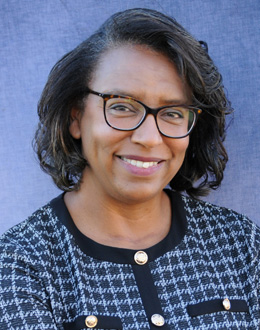
President-Elect
Heidi Lang
University of Wisconsin–Maidson

President-Elect
Anthony Otero
Rutgers University–
New Brunswick

President-Elect
Robert F. Stagni
University of Houston

At-Large Member
Katie Beaulieu
Wayne State University
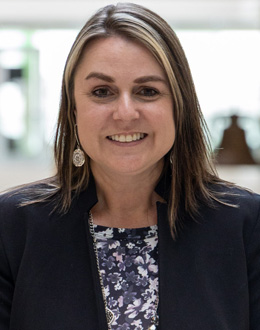
At-Large Member
Wendy Denman
University of North Texas
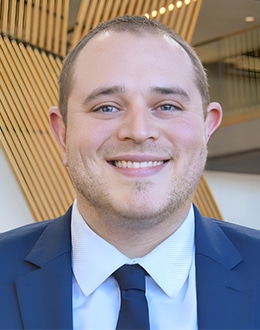
At-Large Member
Adam Dunbar
University of Massachusetts–Lowell
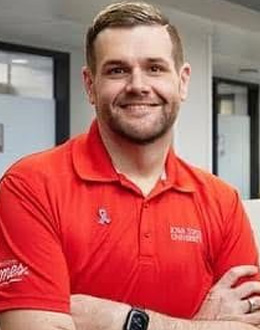
At-Large Member
Brad Hill
Iowa State University
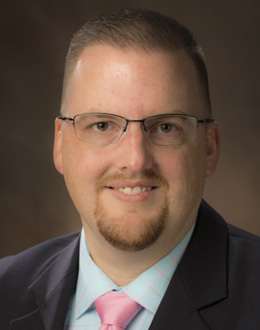
At-Large Member
Lincoln Walburn
University of Illinois–Urbana-Champaign
There are many situations in which ACUI members are asked for their vote. For instance, Board of Trustees or regional director elections and some new initiatives or bylaw changes that require member approval. To be eligible to vote in any ACUI election, you must be a member at an institution in good standing. Each institution has 5 voting members. Voters must be roster members at a member institution in good standing with ACUI at least one day prior to the ballot being available and in compliance with voting eligibility as defined in Article III, Section 3 of the ACUI Constitution. Regional elections are limited to those members in the particular region holding the election.
If you have any questions regarding ACUI elections, please contact the ACUI Central Office at 812.245.2284 or acui@acui.org.